France’s Road to the 2026 World Cup Final: Sweden First, Then the Real Tests Begin
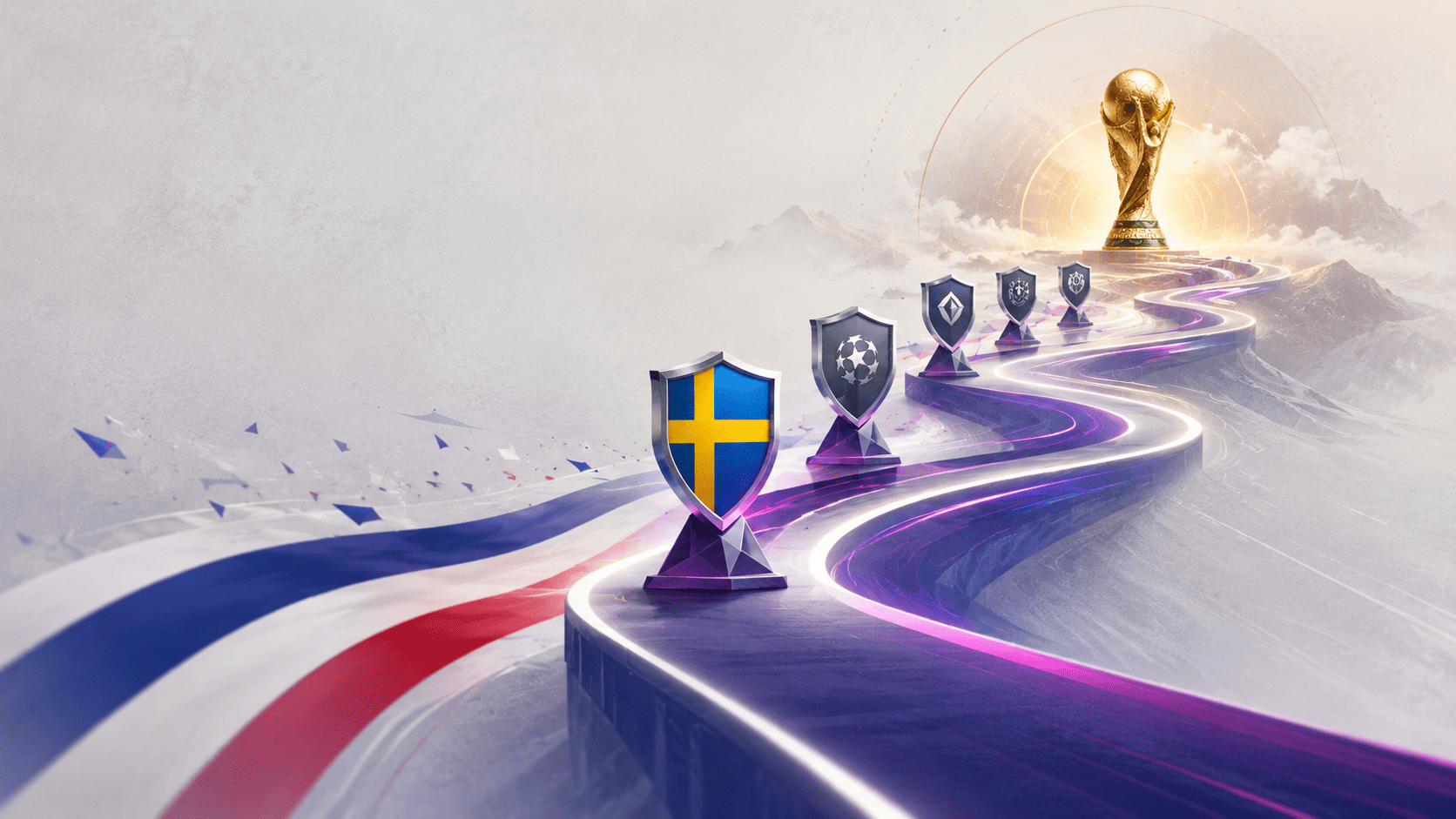
France enter the 2026 World Cup knockouts as Group I winners, but their path to the final is far from simple. Sweden come first, with Germany, the Netherlands, Morocco, Spain, Portugal and other major threats potentially waiting
France’s Road to the 2026 World Cup Final: Sweden First, Then the Real Tests Begin
France enter the knockout stage of the 2026 FIFA World Cup in a position of strength, but not comfort. Winning Group I gave Les Bleus a valuable advantage in the bracket and reduced some of the travel burden in a tournament spread across North America. Yet the route ahead is anything but simple. It begins with Sweden in the Round of 32, but it could quickly lead to Germany, then a quarter-final against the likes of the Netherlands or Morocco, and a semi-final filled with elite European and global contenders.
France did not arrive here by accident. Didier Deschamps’ side won all three group matches, scored 10 goals, and finished the first phase with a commanding 4-1 victory over Norway. That final group performance sent a clear message: France’s attack is not only dangerous, it is varied. Kylian Mbappe remains the headline threat, but Ousmane Dembele’s hat-trick against Norway and Michael Olise’s creative influence have made this French side more difficult to read and harder to contain.
Still, knockout football has its own rules. Reputation does not win single-elimination matches. One mistake, one counterattack, one set piece, or one moment of hesitation can change everything. That is why France’s road to the final should not be described as easy. It is a road full of quality, pressure and tactical traps.
France after the group stage: powerful, flexible and not yet complete
France’s group campaign was close to ideal. They opened with a 3-1 win over Senegal, followed it with a 3-0 victory over Iraq, and then beat Norway 4-1 to secure top spot in Group I. The results matter, but the manner matters even more. France found different solutions in different games, showing that this team is not built around one attacking pattern.
Against Senegal, France had to grow into the match and eventually used their superior quality to pull away. Against Iraq, they controlled the game with authority. Against Norway, Dembele exploded with a first-half hat-trick, reminding everyone that France can finish a match in a short burst when their forwards find rhythm and space.
What makes France especially dangerous is that their front line has not yet peaked at the same time. Mbappe stretches defensive lines with his runs in behind. Dembele brings pace, unpredictability and one-on-one threat. Olise offers calm decision-making, creativity and the final pass between the lines. Behind them, players such as Bradley Barcola, Desire Doue, Rayan Cherki and Marcus Thuram give Deschamps enough depth to change matches from the bench.
That depth is a serious advantage in knockout football. But France also have a warning sign. Their attacking ambition can leave space behind the full-backs, and their central midfielders often have to cover large areas when possession is lost. Against weaker opponents, that risk can be managed. Against Germany, Spain, Portugal or the Netherlands, it could become a real problem.
France vs Sweden: date, venue and Saudi time
France will face Sweden in the Round of 32 on Tuesday, June 30, at New York New Jersey Stadium. According to the published UK kick-off time, the match starts at 10:00 PM in the UK, which means 12:00 AM Saudi time, early Wednesday, July 1.
On paper, France are the clear favourites. But Sweden are not entering this match as a team with nothing to offer. They reached the knockout stage as one of the best third-placed teams after a chaotic group campaign: a 5-1 win over Tunisia, a 5-1 defeat to the Netherlands, and a 1-1 draw with Japan that kept their World Cup alive.
That inconsistency makes Sweden difficult to judge. They can look powerful in transition, but vulnerable under pressure. They can struggle defensively, but they also have enough attacking quality to punish a careless opponent. Against France, their task will be clear: survive the early pressure, protect the central spaces, slow the rhythm of the game, and hope to create danger through transitions or set pieces.
Sweden’s problem: stopping France without Isak Hien
Sweden’s challenge became harder with the loss of defender Isak Hien, who was ruled out of the rest of the tournament after suffering a hamstring injury against Japan. For a team preparing to face Mbappe, Dembele and Olise, that is not a small absence.
France will almost certainly try to test Sweden’s defensive line early. If Sweden defend too high, Mbappe and Dembele can attack the space behind. If Sweden sit too deep, Olise can receive between the lines and dictate play. If they double up on Mbappe, Dembele can isolate defenders on the opposite side. If they focus on the wide areas, France can attack the half-spaces with runners from midfield.
That is the tactical headache Sweden must solve. They do not need to dominate possession to hurt France, but they do need near-perfect defensive discipline. A single broken line may be enough for France to create a decisive chance.
How France can beat Sweden
France’s clearest route to victory is speed. Not reckless speed, but controlled acceleration. Deschamps’ team can slow possession, pull Sweden out of shape, then attack quickly once the first defensive line is broken. This is where Olise becomes important. He gives France a different rhythm from Mbappe and Dembele. He can pause, turn, and release the ball at exactly the moment the defence starts to shift.
The second route is width. Sweden may try to protect the centre, which would leave France room to attack from the wings. Dembele’s movement, Barcola’s direct running, or the overlapping full-backs could stretch the Swedish block and create crossing or cut-back situations.
The third route is the bench. In knockout matches, the first plan does not always work. France’s depth allows Deschamps to introduce fresh attacking profiles after the hour mark. That matters against a Sweden side likely to spend long stretches defending. Tired legs against French pace can become a serious late-game problem.
The Round of 16: Germany could be waiting
If France beat Sweden, the next opponent will be the winner of Germany vs Paraguay. This is where the path becomes more dangerous. Germany, if they advance, would represent a major step up in structure, experience and competitive edge.
Against Sweden, France may be able to rely on superior individual quality. Against Germany, that may not be enough. Germany can test France’s midfield balance, exploit spaces behind the full-backs, and force the game into a more tactical rhythm. France would still have the attacking tools to win, but they would need more control without the ball.
Paraguay would offer a different challenge: intensity, discipline and a willingness to make the match uncomfortable. Either way, the Round of 16 is unlikely to be a routine stop. It could be the first true stress test of France’s title credentials.
Quarter-final possibilities: Netherlands, Morocco and dangerous outsiders
Beyond the Round of 16, France’s quarter-final path may include teams such as South Africa, Canada, the Netherlands or Morocco, depending on earlier results in the bracket. This creates very different scenarios.
The Netherlands would bring physical power, structure and attacking confidence. Morocco would offer tactical discipline, speed in transition and the experience of playing major knockout matches with emotional intensity. Canada or South Africa, if they reach that stage, would carry the energy of an underdog story, which can be dangerous in its own way. France would be expected to win against some of those opponents, but expectation can become pressure.
That is why this route is not only about quality. It is about match management. France must know when to push and when to slow the game down. They must avoid emotional matches in which the opponent grows with every minute.
The semi-final picture: elite names everywhere
If France reach the semi-finals, they could face a team from a group of strong contenders that includes Spain, Portugal, Belgium, the United States, Croatia, Austria, Bosnia and Herzegovina or Senegal. Each opponent would ask a different question.
Spain could force France to defend for long spells and chase the ball. Portugal could match France’s individual quality in key attacking zones. Belgium could punish transitional mistakes. The United States, playing at home, could bring intensity and crowd energy. Croatia could drag the match into a slower, more psychological battle.
This is the stage where tournament experience becomes essential. France have that experience. Deschamps has led this team to a World Cup title in 2018 and a final in 2022. But experience only matters if it is matched by discipline. France cannot rely on history. They must keep proving themselves every round.
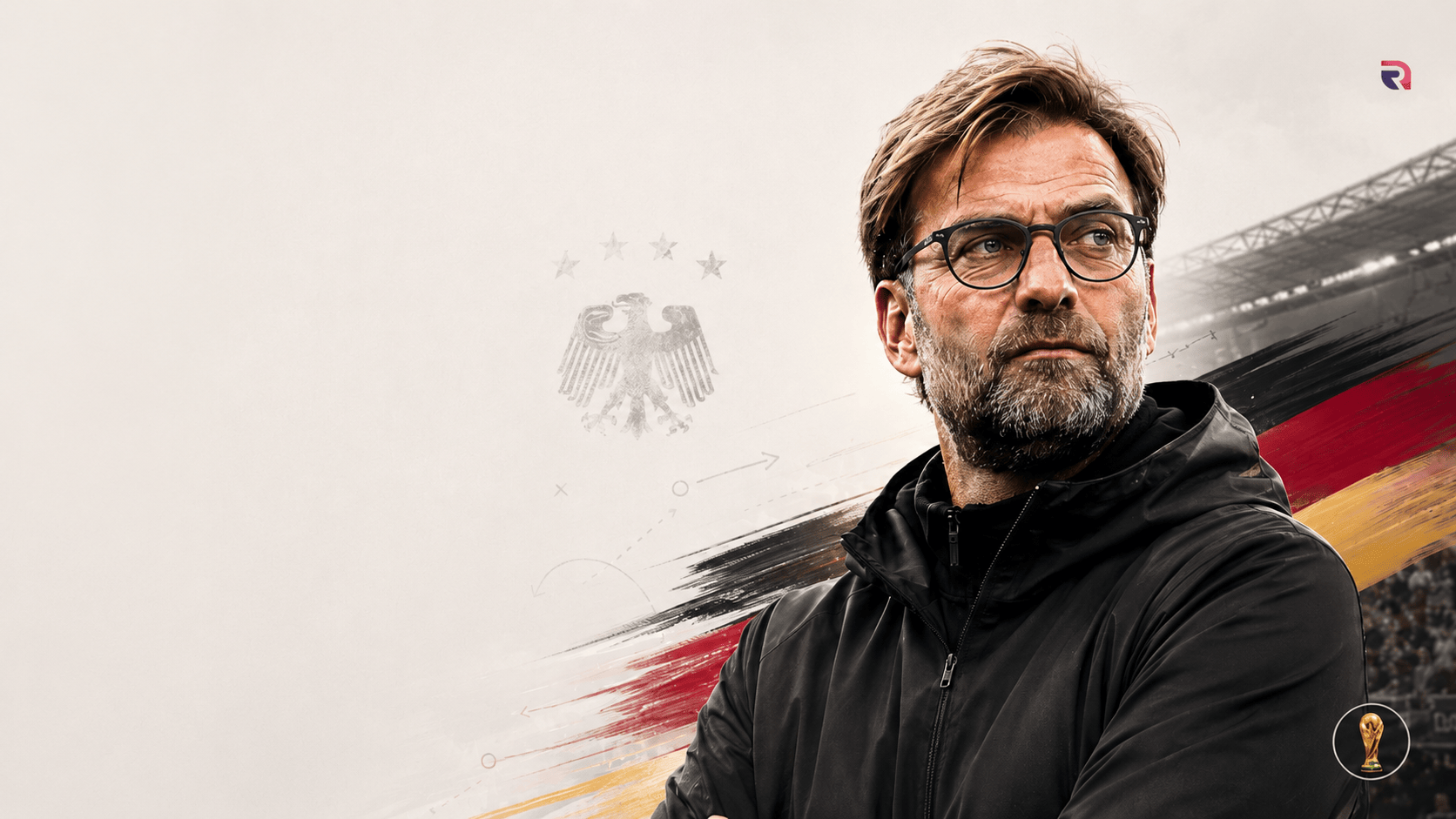
Deschamps’ biggest decision: freedom or control?
The central question for France is tactical balance. Should Deschamps fully release his attacking players and trust them to outscore opponents? Or should he add more control in midfield as the quality of opposition rises?
The answer may change from match to match. Against Sweden, France can afford to attack with confidence. Against Germany or the Netherlands, they may need more caution. Against Spain or Portugal, the midfield selection could decide the game. Players such as Aurelien Tchouameni, Manu Kone and Adrien Rabiot may be just as important as the forwards, because they must protect the spaces France leave behind when they attack.
Deschamps does not need France to be the prettiest team in the tournament. He needs them to be efficient, adaptable and ruthless. That has always been his strength. The question is whether this more attacking version of France can keep the same competitive control when the stakes rise.
What France need to reach the final
France’s path to the final depends on five key factors:
- Start fast against Sweden: an early goal would force Sweden out of their defensive plan
- Protect the spaces behind the full-backs: stronger opponents will punish open transitions
- Keep multiple scoring sources active: relying only on Mbappe would make France easier to defend
- Use the bench wisely: fresh pace late in games could become decisive
- Stay focused on set pieces: knockout matches are often decided by small details
France have the talent. They have the depth. They have the manager. But the knockout stage demands more than talent. It demands emotional control and tactical intelligence.
Watching the knockout stage with Rowad4K
As the World Cup moves into the knockout rounds, the viewing experience becomes more important. These are no longer ordinary group-stage matches. Every attack could decide a nation’s tournament. Every replay matters. Every detail — a run from Mbappe, a Dembele dribble, an Olise pass between the lines — deserves a clear, stable and high-quality screen experience.
That is where Rowad4K fits naturally into the football experience. For fans following late-night matches in Saudi time, or switching between major knockout fixtures across several days, a smooth and reliable viewing setup makes a real difference. High picture quality, stable access and an easy way to follow favourite channels are not luxuries during this stage; they are part of enjoying the tournament properly.
Can France reach the final?
Yes, France can absolutely reach the 2026 World Cup final. But they will not get there because of reputation alone. Sweden are the first obstacle, and France should be favourites. After that, the road could quickly become brutal: Germany or Paraguay, then possibly the Netherlands or Morocco, then a semi-final against another elite contender.
The most worrying thing for France’s rivals is that Les Bleus may still have another attacking level to reach. Mbappe, Dembele and Olise have not all produced their best performance in the same match yet. If that happens in the knockout stage, France could become extremely difficult to stop.
But the most important thing for France is balance. Their attack can win matches. Their discipline will decide whether they can win the tournament. The road starts with Sweden, but the real challenge is proving that this team is not only spectacular — it is complete enough to return to the World Cup final.
Share this article