Morocco vs Netherlands at World Cup 2026: Atlas Lions Face Their Biggest Test After an Unbeaten Group Stage
Morocco enter their World Cup 2026 Round of 32 clash with the Netherlands unbeaten, but the Atlas Lions now face their toughest test against a Dutch side full of attacking momentum
Morocco vs Netherlands at World Cup 2026: Atlas Lions Face Their Biggest Test After an Unbeaten Group Stage
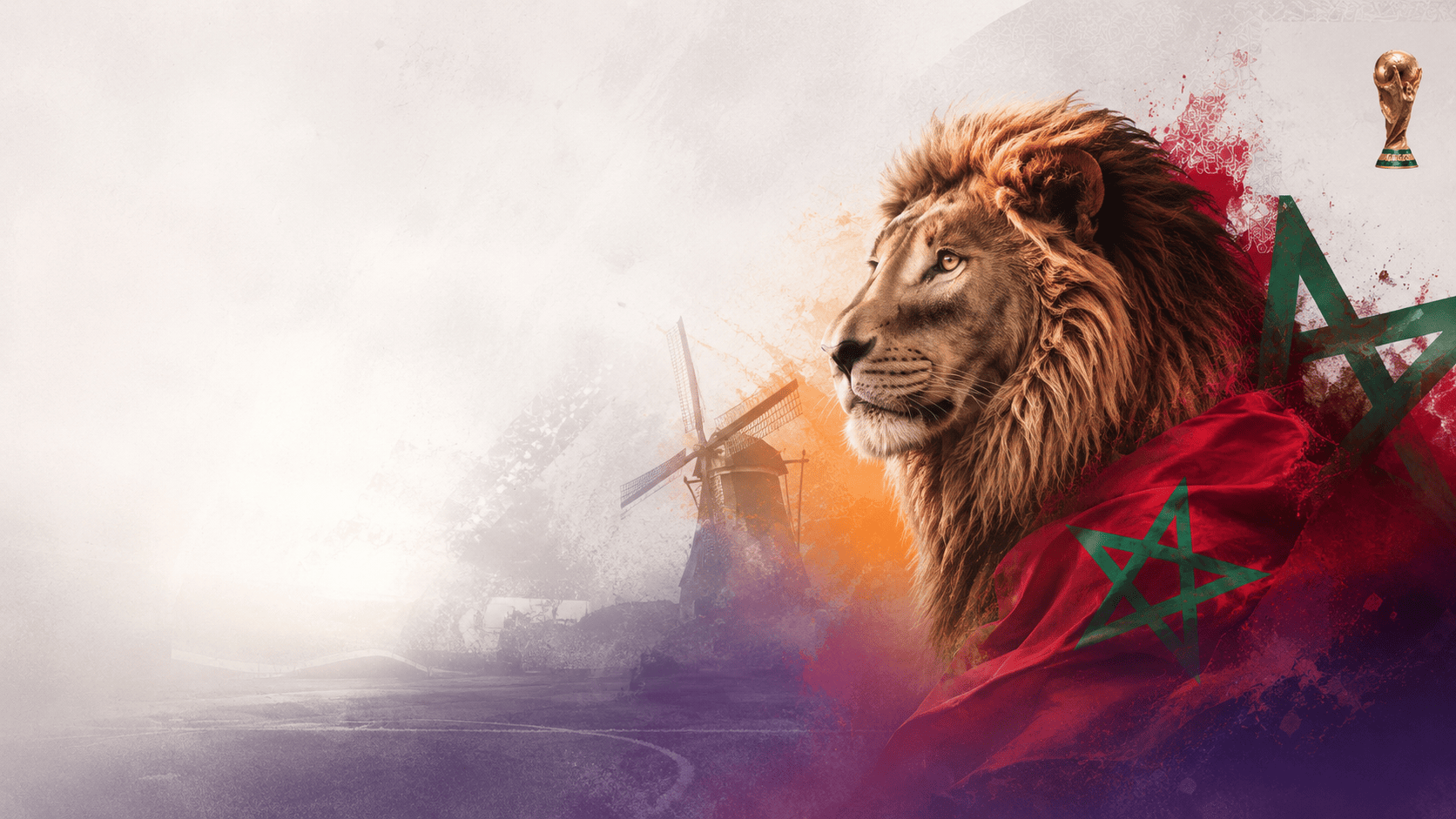
Morocco’s 2026 World Cup campaign has moved beyond the language of surprise. The Atlas Lions are no longer being discussed as a romantic underdog story or a team hoping to repeat a single golden run. After navigating a demanding group without defeat, Morocco enter the Round of 32 with confidence, structure, and a growing sense that this team belongs among the serious contenders.
Yet the knockout stage is a different world. Against the Netherlands in Monterrey, Morocco face a team with enough attacking quality, tournament experience, and tactical flexibility to punish every loose touch and every mistimed defensive step. This is not just another fixture on the road. It is the match that may define how far Morocco’s 2026 project can really go.
The game is scheduled for Monday, June 29, 2026 in Monterrey, which means a 4:00 AM kick-off in Saudi Arabia on Tuesday, June 30. For Moroccan, Arab, and neutral football fans, it is one of the most compelling Round of 32 matches: a confident Morocco side against a Dutch team that found rhythm at exactly the right time.
Morocco’s Route: Calm, Flexible, and Unbeaten
Morocco came through Group C with seven points, finishing second behind Brazil on goal difference. Their campaign began with a 1-1 draw against Brazil, a result that immediately set the tone. It was not only about taking a point from one of the tournament’s traditional giants; it was about showing that Morocco could manage elite pressure without losing their identity.
The second match, a 1-0 win over Scotland, revealed another side of the team. Morocco did not need a chaotic, open game to win. They controlled key moments, protected the lead, and showed the kind of defensive discipline that becomes essential in knockout football.
Then came the 4-2 win over Haiti. That result sealed qualification and underlined Morocco’s attacking potential, but it also carried a warning. When the game became stretched, Morocco looked more exposed. Against the Netherlands, that kind of openness could be dangerous.
By the end of the group stage, Morocco had scored six goals, conceded three, and avoided defeat against three very different opponents. It was a strong body of work, but the real test begins now.
Why the Round of 32 Changes Everything
In the group stage, teams can survive a bad half, a late mistake, or a frustrating draw. Knockout football offers no such comfort. One defensive lapse, one transition, one set piece, or one moment of individual brilliance can decide the entire campaign.
That is why Morocco’s unbeaten record matters, but it does not protect them. It gives belief, not guarantees.
Morocco’s coach has already framed the match in exactly that way. The message is clear: the team’s group-stage performances showed personality, but the Netherlands require different solutions. Morocco frustrated Brazil, protected a narrow lead against Scotland, and recovered from difficult moments against Haiti. The challenge now is to combine all those qualities in a single match.
The Netherlands: Slow Start, Strong Response
The Netherlands also finished the group stage with seven points, but their journey had a different rhythm. They opened with a 2-2 draw against Japan, then delivered a statement 5-1 win over Sweden before beating Tunisia 3-1 to secure top spot in Group F.
The numbers tell a clear story: 10 goals scored, four conceded, and a growing attacking rhythm. The Dutch are dangerous because they can accelerate quickly. They do not always need long periods of control to create chances. A single turnover, a quick switch of play, or a run behind the defensive line can change the match.
Still, the Netherlands are not untouchable. Conceding four goals in the group stage suggests there are spaces to attack, especially when opponents move the ball quickly and avoid being trapped by the first wave of pressure.
A Match With a Deeper Backstory
Morocco vs Netherlands carries a social and footballing layer that few Round of 32 matches can match. The two countries are linked through migration, football development, dual-national players, and a shared sporting history that makes this fixture feel almost like a derby for many fans.
Several Moroccan players have deep connections to Dutch football. Sofyan Amrabat, Noussair Mazraoui, and Anass Salah-Eddine bring personal and professional context to the match, while Ismael Saibari’s link to PSV adds another layer to the story. This is not a game between strangers. Both sides know enough about each other to make the tactical battle even more intense.
But emotion must not become distraction. Morocco’s biggest task is to turn the energy surrounding the match into clarity, not chaos.
Morocco’s Key Tactical Priorities
Protect the Space Behind the Full-Backs
Achraf Hakimi is one of Morocco’s most important weapons, but his attacking role must be carefully managed. The Netherlands can punish space behind advanced full-backs, so Morocco need balance. Hakimi’s forward runs can hurt the Dutch, but only if the midfield coverage behind him is precise.
Stop the First Pass in Transition
The Netherlands are at their most dangerous immediately after winning the ball. Morocco must disrupt the first forward pass. If they do that, they can force the Dutch into slower build-up and recover their defensive shape. If they fail, the match may become too open.
Use Brahim Diaz and Saibari Between the Lines
Morocco will not need long spells of possession to threaten. What they need is quality in the moments they break pressure. Brahim Diaz can receive and turn in tight spaces, while Ismael Saibari’s movement can stretch defenders and create passing lanes. Morocco’s attacking success may depend less on volume and more on precision.
Treat Set Pieces Like Match-Winning Moments
In knockout football, set pieces are not side details. Corners, wide free-kicks, second balls, and defensive clearances can define a game. Morocco have the physical and technical tools to compete here, but the Netherlands are also strong in aerial duels. Concentration must be constant.
Where Morocco Should Be Worried
The biggest concern is the Netherlands’ scoring form. Ten goals in three group games is not a small sample in tournament football. Their 5-1 win over Sweden showed how quickly they can turn control into damage.
The second concern is the tempo of the tournament itself. Reports around the 2026 World Cup have highlighted faster matches, fewer interruptions, and more high-speed running. That matters for Morocco because defending for long stretches against the Netherlands could become physically draining. Managing the rhythm of the match is not optional; it is central to survival.
The third concern is the first goal. If the Netherlands score early, Morocco may be forced to open up sooner than planned. That would give the Dutch more room to attack. The opening 20 minutes should therefore be about discipline: no panic, no reckless pressing, and no cheap turnovers.
How Morocco Can Hurt the Netherlands
The Netherlands have attacking strength, but they also leave spaces. Japan’s draw against them showed that a disciplined, quick opponent can cause problems. Morocco have the tools to do something similar.
The key is not to chase the game emotionally. Morocco must choose the right moments to attack. Quick switches of play, vertical passes into midfield pockets, and runs behind the Dutch defensive line can create opportunities. The final pass and final shot must be calm, because Morocco may not get many clear chances.
Watching the Details Matters
A match like Morocco vs Netherlands is built on details: a full-back’s positioning, a midfielder’s body shape, a pressing trigger, or a counterattack that lasts five seconds. Missing those moments means missing the story of the game.
For viewers who want a smoother and sharper football experience, Rowad4K fits naturally into nights like this. High picture quality, stable access, and an easy way to follow preferred sports channels can make a major tournament match feel more complete. This is especially important when the match kicks off at dawn in Saudi Arabia and every moment carries weight.
The Psychological Shift: Morocco Are No Longer a Surprise
One of the biggest differences between Morocco in 2022 and Morocco in 2026 is expectation. Four years ago, the Atlas Lions grew into the tournament as a story of belief and defiance. Now, opponents prepare for Morocco as a serious team.
That is progress, but it also brings pressure. Morocco are no longer underestimated. Their organization, mentality, and talent are known. The next step is proving they can handle being respected, studied, and targeted.
The Netherlands represent that next step. If Morocco win, it will not be framed as a shock in the old sense. It will be seen as evidence that the Atlas Lions are building something sustainable at the top level.
What Victory Would Mean
Beating the Netherlands would be a major statement. It would send Morocco into the Round of 16 against Canada, who have already beaten South Africa in the opening Round of 32 match. That makes the Monterrey clash even more significant. It is not only about surviving one major opponent; it may open a realistic path deeper into the tournament.
A defeat would not erase Morocco’s strong group stage, but it would leave a difficult question: how close is this team to consistently beating elite opposition in knockout football?
Final Take
Morocco enter the match with deserved confidence. They were unbeaten in the group stage, scored in every match, and showed different versions of themselves against Brazil, Scotland, and Haiti. But the Netherlands are faster, sharper, and more ruthless than anything Morocco have faced since the Brazil opener.
This match will not be decided by reputation. It will be decided by spacing, discipline, transition control, and composure in front of goal. If Morocco keep their structure and attack with intelligence, they have every chance to turn the Dutch test into another defining World Cup night.
If they allow the game to become loose and emotional, the Netherlands will be waiting.
The real question is not whether Morocco can surprise the world again. It is whether Morocco have moved beyond surprise and become a team built for matches like this.
Share this article