World Cup 2026 Group Stage Recap: Qualified Teams, Eliminations and the Biggest Surprises
The World Cup 2026 group stage is over, with 32 teams reaching the knockout round and 16 heading home. Here is a full recap of the qualified teams, eliminated sides, standout surprises and key storylines before the Round of 32
World Cup 2026 Group Stage Recap: Qualified Teams, Eliminations and the Biggest Surprises
The 2026 FIFA World Cup group stage has ended with the kind of drama that only an expanded tournament could produce: more teams, more permutations, more late twists, and more stories from nations that are not usually central to the knockout-stage conversation. Thirty-two teams have moved on, while 16 have gone home, after a format that sent the top two from each group through alongside the eight best third-placed teams.
But this was not just a matter of listing who qualified and who was eliminated. The group stage gave us a clear picture of what this new World Cup format can do. Traditional powers survived, though not all of them looked fully convincing. Smaller nations made history. Several Arab teams experienced very different emotions, from landmark qualification to painful early exits. And now that the Round of 32 is complete, the tournament has entered a sharper phase where reputation matters less than execution.
A New Format That Changed the Value of Third Place
In previous World Cups, finishing third in a group usually meant the end of the road. In 2026, third place became a lifeline. The expanded format allowed the eight best third-placed teams to qualify, turning goal difference, late goals and even matches in other groups into crucial factors.
The clearest example came on the final day, when Austria and Algeria drew 3-3 in Kansas City. That result sent both teams into the Round of 32 and eliminated Iran, who needed either side to win in order to keep their own historic knockout hopes alive.
That is the defining feature of this World Cup’s group stage. Fans were not only watching their own teams; they were watching the table, the third-place rankings, the goals in other stadiums, and the shifting bracket. For viewers, that made the experience more intense and more demanding. It also made a stable, high-quality viewing setup more valuable. A service like Rowad4K fits naturally into that context, helping fans follow matches, switch between key games, and enjoy crucial moments with reliable picture quality and smooth access to their preferred sports channels.
Who Qualified for the Round of 32?
The final Round of 32 lineup reflects both the strength of established football nations and the impact of the expanded format. According to the updated knockout list, Group A sent Mexico and South Africa through. Group B produced Switzerland, Canada and Bosnia-Herzegovina. Group C sent Brazil and Morocco. Group D produced the United States, Australia and Paraguay.
From Group E, Germany, Ivory Coast and Ecuador advanced. Group F produced the Netherlands, Japan and Sweden. Group G sent Belgium and Egypt through, while Spain and Cape Verde progressed from Group H. Group I produced France, Norway and Senegal. Group J sent Argentina, Austria and Algeria. Group K gave us Colombia, Portugal and DR Congo. Group L completed the picture with England, Croatia and Ghana.
Several trends stand out. The major contenders are still alive. All three host nations — Mexico, the United States and Canada — reached the next round. African representation is also notably strong, with Morocco, South Africa, Ivory Coast, Egypt, Senegal, DR Congo, Ghana and Algeria all continuing their campaigns. That alone gives this World Cup a different feel from many previous editions.
Who Went Home?
Sixteen teams were eliminated at the group stage. The list includes Czechia and South Korea from Group A, Qatar from Group B, Haiti and Scotland from Group C, Türkiye from Group D, Curaçao from Group E, Tunisia from Group F, New Zealand and Iran from Group G, Uruguay and Saudi Arabia from Group H, Iraq from Group I, Jordan from Group J, Uzbekistan from Group K, and Panama from Group L.
Uruguay’s exit stands out because of the country’s World Cup history. South Korea and Scotland also finished third with three points, but that was not enough to place them among the best third-placed qualifiers.
For Arab football, the picture is mixed. Morocco continued its strong global presence by progressing from Group C. Egypt reached the knockouts for the first time, finishing second in Group G behind Belgium on goal difference. Algeria survived the final-day chaos and qualified as one of the best third-placed teams.
On the other side, Qatar, Tunisia, Saudi Arabia, Iraq and Jordan all exited. Qatar finished bottom of Group B with one point after a 3-1 defeat to Bosnia-Herzegovina. Tunisia’s campaign was damaged by a 5-1 opening loss to Sweden and a 4-0 defeat to Japan. Jordan, one of the tournament debutants, lost to Austria and Algeria. Iraq finished bottom of Group I without a point, while Saudi Arabia failed to escape Group H.
The Biggest Surprises: Cape Verde, DR Congo and South Africa
The most memorable stories of the group stage came from teams writing new chapters in their football history. Cape Verde reached the knockouts in its debut World Cup appearance, one of the standout fairytale moments of the tournament. A debutant reaching the Round of 32 does more than create a feel-good headline; it shows how the expanded format can give rising football nations a real platform.
DR Congo’s achievement carries even deeper historical weight. Their only previous World Cup appearance came in 1974, when the team competed as Zaire and left the tournament after three defeats, no goals scored and 14 conceded. In 2026, the story changed completely. DR Congo drew 1-1 with Portugal, lost narrowly to Colombia, then beat Uzbekistan 3-1 to qualify as one of the best third-placed teams.
South Africa also delivered a major moment by advancing from Group A. Opta Analyst listed South Africa among seven teams reaching the World Cup knockouts for the first time, alongside Canada, Bosnia-Herzegovina, Ivory Coast, Cape Verde, Egypt and DR Congo.
The Heavyweights: Through, But Not All Convincing
Argentina, Brazil, France, Germany, Spain, England and Portugal are all still alive, but their group-stage messages were not identical. Some looked in control. Others progressed while leaving questions behind.
Argentina advanced with Lionel Messi once again central to the story. Al Jazeera reported that Messi reached 18 World Cup goals after scoring twice against Austria, becoming the tournament’s all-time leading scorer. Brazil finished strongly, beating Scotland 3-0 and topping Group C with seven points and a +6 goal difference. Germany returned to the knockouts after group-stage exits in 2018 and 2022, but their 2-1 defeat to Ecuador showed that defensive consistency remains a concern.
France, Spain, England and Portugal are also moving on, but the knockout stage will test them differently. In the group phase, a bad half can be repaired. In the Round of 32, one mistake can end a campaign. That is why the next stage will tell us much more about who is truly ready to challenge for the trophy.
Arab Teams: Progress, Pain and a Clear Lesson
The Arab story in this World Cup is not one-dimensional. Morocco confirmed its status as a serious international side by advancing from a difficult group. Egypt made history by reaching the knockouts for the first time. Algeria survived one of the most dramatic final-day scenarios of the tournament.
But the exits were painful. Tunisia never recovered from two heavy defeats. Qatar’s campaign ended with a single point. Jordan gained valuable experience in a first World Cup appearance but could not stay alive. Iraq left without a point, and Saudi Arabia failed to make it out of Group H.
The lesson is simple: at this level, good spells are not enough. Teams need full-match management, squad depth, tactical discipline and psychological control across three games. The expanded format creates more opportunities, but it does not remove the cost of slow starts or defensive errors.
Why This Group Stage Mattered
This was not just a qualifying phase. It was a tournament within the tournament. The format gave more nations a chance, but it also made the race more complex. A single goal in one match could change another team’s future. A draw could be enough for one country and disastrous for another. A third-place finish could mean either survival or elimination.
That complexity changed the way fans experienced the World Cup. Viewers needed to follow multiple games, track live standings, and understand how each result affected the bigger picture. For that kind of football month, Rowad4K offers a practical advantage: sharp image quality, stable viewing, and easier access to the channels fans rely on during decisive matches.
The Round of 32: Where the Real Pressure Begins
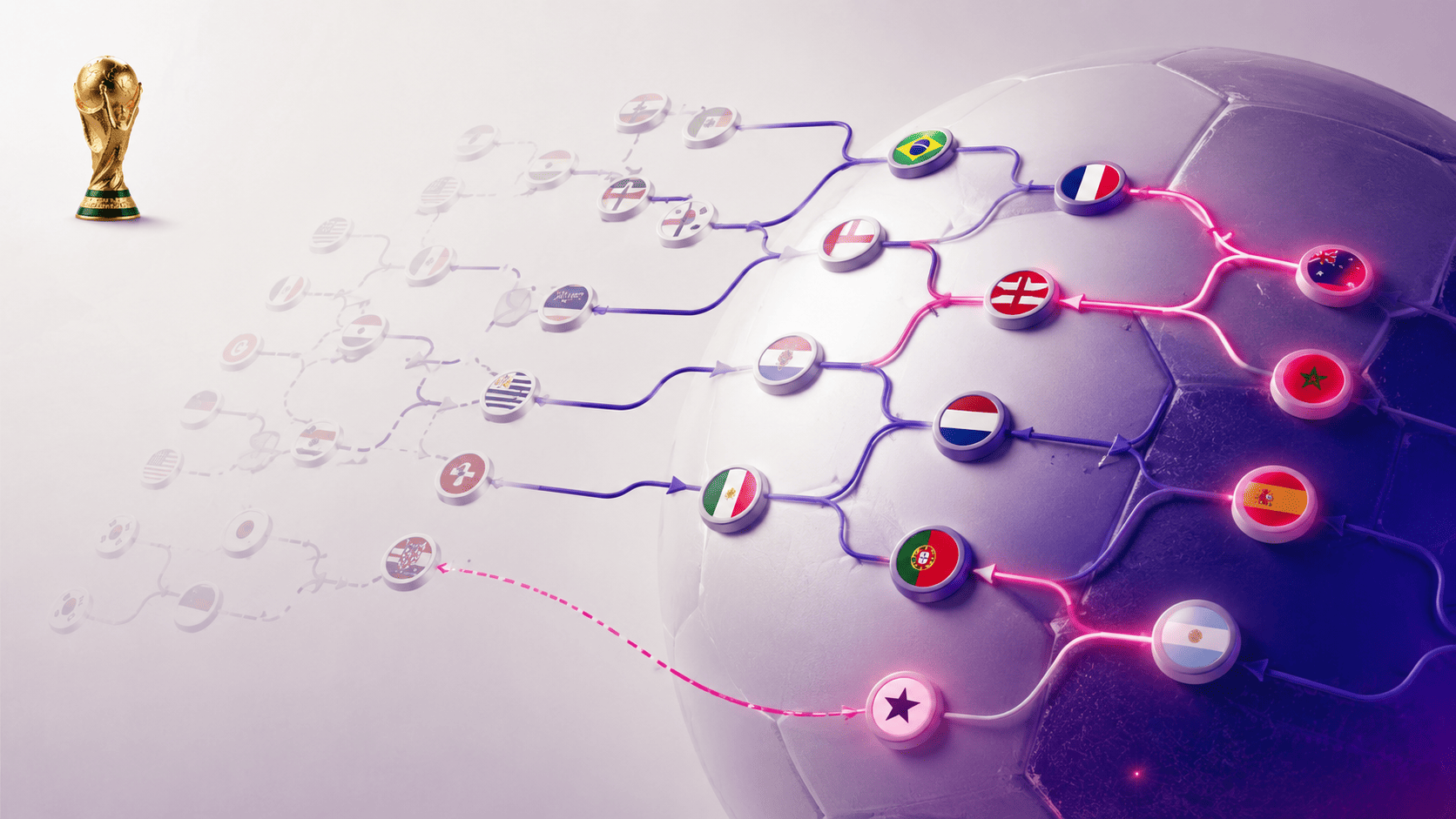
The first knockout round already offers major matchups: South Africa vs Canada, Brazil vs Japan, Germany vs Paraguay, Netherlands vs Morocco, France vs Sweden, England vs DR Congo, Spain vs Austria, Portugal vs Croatia, Argentina vs Cape Verde, and Colombia vs Ghana, among others listed by Reuters.
These fixtures capture the identity of the 2026 World Cup: global powers facing ambitious outsiders, historic nations meeting new stories, and a bracket full of teams that have already survived a difficult first stage.
Now, the calculations are over. There are no best third-place rankings left to monitor. No outside result can save anyone. Win, and the journey continues. Lose, and the tournament ends.
Final Takeaway
The 2026 World Cup group stage delivered more than a list of qualifiers. It produced history, tension, disappointment and genuine surprises. The giants are still here, but they are not alone. Cape Verde, DR Congo, Egypt, South Africa, Canada and Bosnia-Herzegovina have helped give this tournament a fresh identity.
The expanded format has already justified itself in terms of storylines. It created more paths, more pressure and more emotional swings. But from the Round of 32 onward, the margins become brutal. The question is no longer who has qualified. The real question is: who can turn qualification into a serious run toward the trophy?
Share this article